


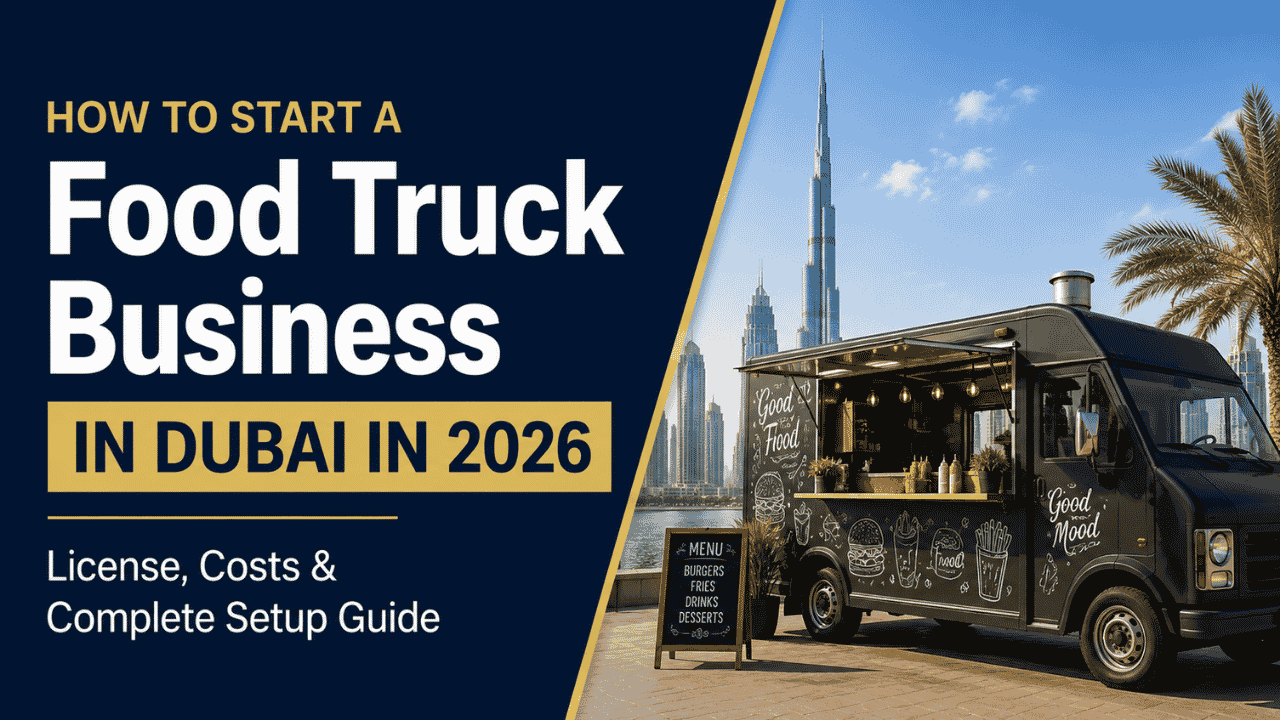
Dubai’s food industry has evolved far beyond traditional restaurants and cafes. Over the last decade, food trucks have become a popular part of the city’s dining culture, serving everything from gourmet burgers and specialty coffee to international street food and healthy meal concepts.
For entrepreneurs looking to enter the food and beverage sector without investing in a large restaurant, starting a Food Truck Business in Dubai can be an attractive option. Food trucks offer flexibility, lower operational costs compared to full-scale restaurants, and the ability to reach customers in different locations across the city.
However, launching a successful food truck involves much more than buying a vehicle and serving food. Entrepreneurs must comply with licensing requirements, food safety regulations, municipality approvals, location permissions, and operational guidelines.
This guide explains everything you need to know about starting a food truck business in Dubai in 2026, including licensing requirements, estimated costs, legal considerations, and practical tips for long-term success.
Why Food Trucks are Growing in Dubai
Dubai’s diverse population and strong tourism industry have created consistent demand for unique dining experiences.
Today’s consumers often prefer convenience, affordability, and innovative food concepts. Food trucks meet all three requirements.
Several factors continue driving growth in the sector:
Increasing Demand for Street Food
Consumers are becoming more interested in quick, high-quality meals that offer something different from traditional restaurants.
Lower Investment Than Restaurants
A food truck generally requires less capital than opening a full restaurant with extensive seating and interior fit-outs.
Growing Event Industry
Dubai hosts numerous festivals, sporting events, exhibitions, corporate gatherings, and community events where food trucks are regularly featured.
Social Media Marketing Opportunities
Visually appealing food concepts often perform well on platforms such as Instagram, TikTok, and Facebook, helping food truck owners attract customers organically.
Is a Food Truck Business Profitable in Dubai?
A food truck can be profitable when operated correctly.
Success depends on several factors:
- Food Quality
- Location Selection
- Brand Identity
- Pricing Strategy
- Operational Efficiency
- Marketing
- Customer Experience
Many successful operators generate repeat customers by focusing on a specific niche rather than offering an overly broad menu.
Popular concepts include:
- Specialty Coffee
- Gourmet Burgers
- Shawarma
- Mexican Food
- Desserts
- Ice Cream
- Healthy Meals
- Asian Street Food
- Fresh Juices
Benefits of Starting a Food Truck Business in Dubai
Lower Startup Costs
Compared to a traditional restaurant, food trucks often require a smaller initial investment.
Flexibility
Owners can participate in events, markets, festivals, and high-traffic locations.
Easier Brand Testing
Food trucks allow entrepreneurs to test concepts before committing to larger investments.
Mobility
Unlike fixed-location restaurants, food trucks can move to areas with higher customer demand.
Strong Marketing Potential
Unique food concepts can quickly gain attention through social media and word-of-mouth recommendations.
Food Truck Business Requirements in Dubai
Operating a food truck involves several approvals and requirements.
Business License
A valid business license is required to legally operate.
Food Safety Compliance
Food preparation, storage, transportation, and hygiene standards must comply with Dubai Municipality regulations.
Vehicle Approval
The truck itself must meet technical and safety requirements.
Location Permissions
Food trucks cannot simply park anywhere and begin trading.
Specific approvals may be required depending on the operating location.
Staff Requirements
Employees handling food may need health certifications and other regulatory approvals.

Step-by-Step Guide to Starting a Food Truck Business in Dubai
Step 1: Develop a Business Concept
Before applying for licenses, define your concept.
Consider:
Cuisine Type
Examples include:
- Burgers
- Coffee
- Desserts
- Healthy Food
- Asian Cuisine
- Street Food
Target Customers
Determine whether you will serve:
- Office Workers
- Families
- Tourists
- Students
- Event Attendees
Pricing Strategy
Pricing should balance profitability with customer expectations.
Step 2: Prepare a Business Plan
A detailed business plan can help clarify operational and financial requirements.
Include:
- Business Objectives
- Target Market
- Startup Costs
- Revenue Projections
- Marketing Strategy
- Operational Plan
A strong plan can also assist when opening a business bank account or seeking investors.
Step 3: Choose the Right Business Structure
Entrepreneurs must decide on the most appropriate company structure.
Options may include:
Mainland Company
Often preferred for businesses targeting customers across Dubai.
Other Approved Structures
Depending on business activities and operational requirements.
The most suitable structure depends on the business model and future expansion plans.
Step 4: Obtain a Food Business License
A food truck is not simply a vehicle; it is a regulated food business.
The licensing process typically involves approvals from relevant authorities.
Required documentation may include:
- Passport Copies
- Business Registration Documents
- Proposed Activities
- Vehicle Information
- Food Safety Plans
Step 5: Purchase and Customize the Food Truck
The vehicle must be designed specifically for food service operations.
Key considerations include:
Kitchen Equipment
- Grills
- Refrigeration Units
- Ovens
- Storage Areas
Ventilation Systems
Proper ventilation is critical for safety and regulatory compliance.
Water Systems
Food preparation requires access to clean water and appropriate waste disposal systems.
Branding
Vehicle branding can significantly influence customer recognition and marketing success.
Step 6: Obtain Municipality and Health Approvals
Food businesses are subject to strict health and safety requirements.
Authorities may evaluate:
- Food Storage
- Hygiene Procedures
- Temperature Controls
- Waste Management
- Staff Training
Compliance is essential to maintaining customer trust and avoiding penalties.
Step 7: Secure Trading Locations
One of the most important factors affecting profitability is location.
Food trucks often perform well at:
- Tourist Areas
- Events
- Parks
- Beaches
- Business Districts
- Community Markets
- Festivals
Securing access to high-traffic locations can significantly impact revenue.
Food Truck Business Setup Cost in Dubai
The total investment varies depending on the truck size, concept, equipment, and branding requirements.
Estimated Cost Breakdown
| Expense | Estimated Cost (AED) |
| Business License | 10,000 – 25,000+ |
| Food Truck Vehicle | 80,000 – 300,000+ |
| Kitchen Equipment | 20,000 – 100,000+ |
| Branding & Design | 5,000 – 20,000+ |
| Initial Inventory | 5,000 – 25,000+ |
| Staff & Training | Varies |
| Marketing | 5,000 – 30,000+ |
Estimated Startup Budget
120,000 AED to 500,000 AED+
The final amount depends on the concept and scale of operations.
Common Challenges Food Truck Owners Face
Location Restrictions
Not all areas permit food truck operations.
Seasonal Demand
Customer traffic may vary depending on weather and events.
Equipment Maintenance
Mobile kitchens require ongoing maintenance and servicing.
Competition
Popular food categories often attract multiple operators.
Regulatory Compliance
Maintaining food safety standards requires continuous attention.
Tips for Running a Successful Food Truck Business
Focus on One Strong Concept
Simple menus often perform better than overly complex offerings.
Invest in Branding
Customers remember memorable food truck brands.
Use Social Media Effectively
Regular updates help customers find your location.
Prioritize Food Quality
Repeat business depends on consistency.
Participate in Events
Events can significantly increase visibility and revenue.
Monitor Costs
Profitability depends on controlling food, staffing, and operational expenses.
Why Dubai is an Excellent Market for Food Entrepreneurs
Dubai’s multicultural population creates demand for a wide variety of cuisines.
The city’s tourism industry, growing residential communities, outdoor events, and active social scene provide food truck operators with numerous opportunities to build a successful brand.
Unlike many markets where food trucks remain a niche concept, Dubai has embraced mobile dining as part of its modern food culture.
How AB Capital Services Supports Food Business Owners
Starting a food truck involves more than selecting a menu and purchasing a vehicle. Entrepreneurs must understand licensing requirements, company formation options, food safety approvals, visa considerations, and operational compliance.
AB Capital Services assists entrepreneurs in navigating the UAE business setup process by helping them understand licensing pathways, regulatory requirements, company formation structures, and practical considerations involved in launching a food-related business in Dubai.
Also Read
- Dubai Launches Bharat Mart: A Game-Changer for Indian Traders and Global Business in 2026
- Most Profitable Small Business Ideas in Dubai for a Couple with in 2026
- Top 10 Easiest Countries to Start a Business in 2026
- How to Start a Real Estate Business in Dubai for Non Residents
Frequently Asked Questions
Can foreigners start a food truck business in Dubai?
Yes. Foreign investors can establish food-related businesses in Dubai subject to licensing and regulatory requirements.
Do I need a commercial kitchen?
Depending on the business model and regulatory requirements, additional food preparation facilities may be required.
Can I park my food truck anywhere?
No. Food trucks must operate in approved locations and comply with local regulations.
Is a food truck cheaper than opening a restaurant?
In many cases, yes. Startup costs are often lower than a traditional restaurant, although costs vary significantly based on concept and scale.
How long does it take to start a food truck business?
Timelines vary depending on approvals, licensing, vehicle customization, and operational readiness.
Final Thoughts
A Food Truck Business in Dubai can be an exciting opportunity for entrepreneurs looking to enter the food and beverage industry without the substantial investment required for a traditional restaurant.
Success requires careful planning, a strong food concept, compliance with regulations, effective marketing, and a commitment to delivering a great customer experience.
For entrepreneurs willing to invest in quality, branding, and operational excellence, Dubai’s growing food culture continues to offer significant opportunities in 2026 and beyond.